Snow Machine Theatre Effects: Creating a Convincing Winter Scene on Stage
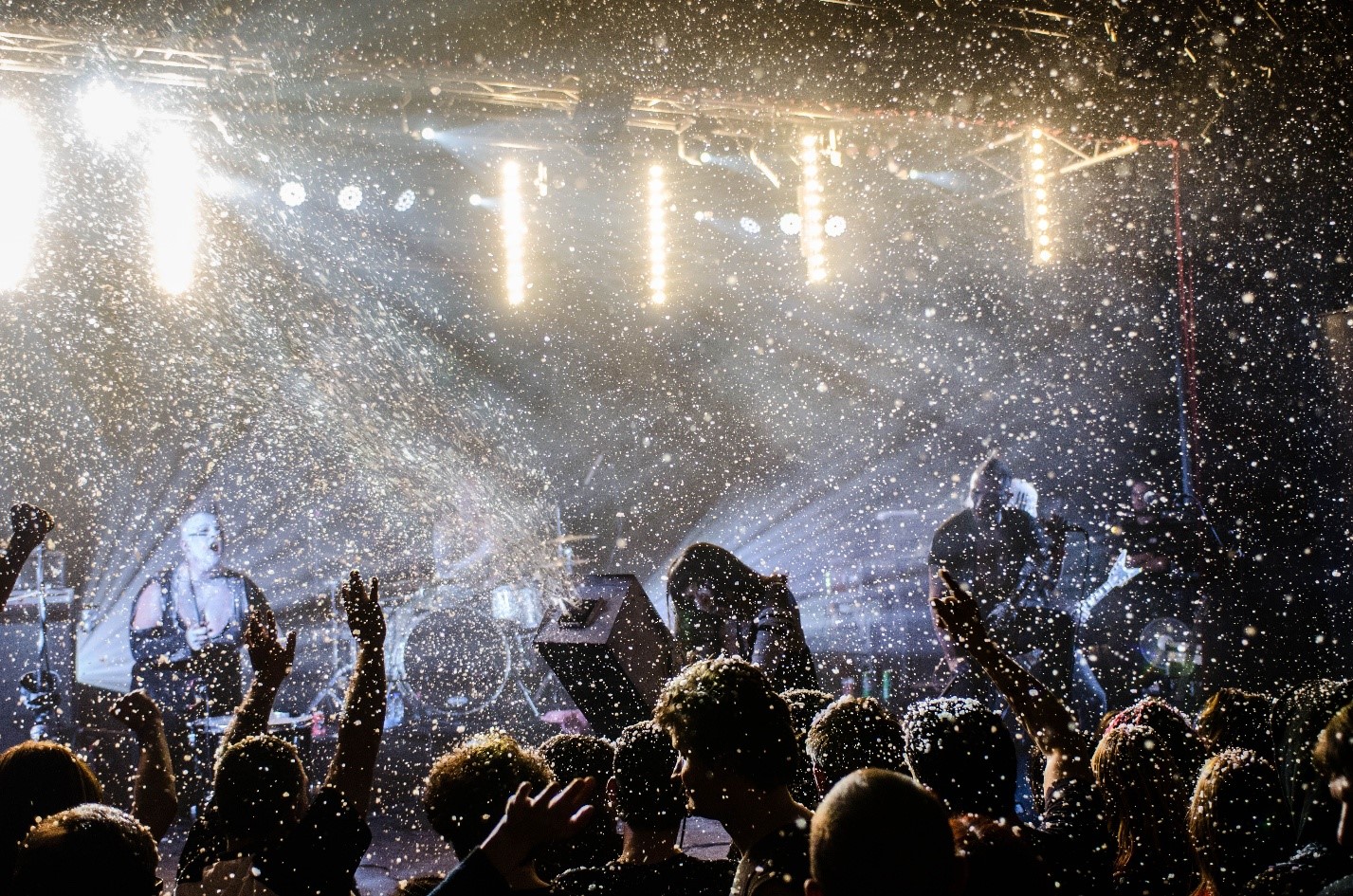
Imagine the curtain rises, the lights soften, and suddenly delicate snow begins drifting across the stage. The audience watches as the scene transforms from an ordinary set into a quiet winter world. No real snow is needed, just the right equipment, timing, and a little theatrical creativity.
That is the magic of a snow machine theatre effect.
For theatre productions, snowfall can do much more than make a stage look pretty. It can establish a season, create a mood, transport the audience to another setting, or make an important scene feel genuinely magical. When used correctly, artificial snow becomes part of the storytelling rather than simply another stage effect.
Whether you're planning a holiday production, winter-themed play, musical, school performance, or live theatrical event, here's how you can create a convincing winter scene with the right snow effect.
Why Use Snow Effects in Theatre?
Theatre is all about creating an experience. Sets, costumes, lighting, sound, and special effects work together to make the audience believe they have entered another world.
Snow is particularly effective because it immediately communicates a sense of winter. A gentle snowfall can make a romantic scene feel more intimate, while heavier snowfall can create excitement, mystery, or even a dramatic sense of isolation.
Using special effects for theatre also gives production teams greater control. Instead of depending on unpredictable weather or complicated physical materials, artificial snowfall can be introduced exactly when the director wants it.
The result? A memorable visual moment that can support the story without distracting from it.
What Is a Snow Machine for Theatre?
A snow machine is designed to create the visual appearance of falling snow by producing lightweight artificial snow particles and dispersing them into the performance area.
Unlike real snow, theatrical snow effects can be controlled according to the needs of the production. You can create anything from a subtle flurry to a more noticeable snowfall, depending on the machine, venue, and scene.
A snow machine for theatre can be particularly useful when the production requires snowfall at a specific moment. The effect can be coordinated with music, lighting, choreography, dialogue, or a major scene transition.
This control is one of the biggest reasons artificial snows is so useful for live performances.
How to Make a Winter Scene Look Convincing
Simply turning on a snow machine isn't enough to create a realistic winter atmosphere. The most convincing scenes come from combining snowfall with other elements of stage design.
1. Choose the Right Snowfall Intensity
Think about the story before deciding how much snow you need.
A light snowfall may work beautifully during a quiet conversation, while a more energetic scene may call for heavier snowfall. Too much snow can overwhelm the performers and scenery, while too little may disappear under bright stage lighting.
Start with the atmosphere you want to create, then adjust the effect accordingly.
2. Position the Machine Carefully
Placement can dramatically affect how the snowfall appears.
A machine positioned too close to the performers may make the snow feel concentrated in one area. Placing it strategically can help distribute the effect across the stage and create a more natural-looking fall.
Your production team should also consider the stage layout, audience sightlines, lighting equipment, scenery, and performer movement before deciding where the machine should operate.
3. Let Lighting Do Some of the Work
Lighting can make artificial snow look completely different.
Soft, cool-toned lighting can emphasize a peaceful winter atmosphere, while brighter lighting can make individual snow particles more visible. Side lighting or backlighting can also help illuminate falling particles and give the audience a stronger sense of depth.
This is why the lighting team and special-effects team should coordinate rather than treating snowfall as an isolated effect.
4. Coordinate Snow with the Performance
Timing is everything in theatre.
Imagine a character delivering an emotional line as the first snowflake falls. Or picture the snowfall beginning as music builds toward a dramatic finale. Those moments can make the effect feel intentional and connected to the story.
Rehearse the snowfall cue just as you would rehearse lighting or sound cues. The more precisely it is timed, the more naturally it will become part of the performance.
Where Can a Snow Machine Theatre Effect Be Used?
Snowfall can work in many different types of productions.
A holiday play might use it to create a classic Christmas setting. A musical could use snowfall during a memorable song or transition. A winter ballet may incorporate falling snow into the choreography, while a school theatre production can use it to make a simple stage feel much more immersive.
It can also work for:
- Winter-themed performances
- Christmas productions
- Seasonal concerts
- Dance and ballet performances
- School and community theatre
- Live entertainment
- Storytelling and immersive productions
The key is to use snowfall with purpose. When it supports the scene rather than simply filling the stage, the effect becomes much more powerful.
Choosing a Theatre Snow Machine Rental
If you only need snowfall for a particular production, renting can be a practical option. A theatre snow machine rental allows production teams to access the equipment they need without purchasing and storing a machine permanently.
Before renting, consider the size of your stage, the desired snowfall effect, the duration of the production, and how the machine will fit into your existing special-effects setup.
It's also worth discussing your production requirements with the rental provider. They can help you determine which equipment is appropriate for your venue and the type of effect you're trying to achieve.
Safety and Stage Preparation Matter
A beautiful effect should never come at the expense of a safe performance environment.
Before using a snow machine, the production team should consider performer movement, electrical equipment, stage surfaces, audience areas, and cleanup requirements. Always follow the manufacturer's instructions and venue requirements for operation.
It's also important to test the effect before opening night. A rehearsal gives your team an opportunity to see how the snow behaves under actual stage lighting and determine whether adjustments are needed.
Common Mistakes to Avoid
One of the most common mistakes is treating artificial snow as an afterthought. If the machine is introduced without considering lighting, choreography, or scene transitions, the effect may look disconnected.
Another mistake is using too much snowfall. More isn't always better. Sometimes a gentle, carefully timed flurry creates a much stronger emotional response than continuous heavy snowfall.
Finally, don't skip the rehearsal. Testing the effect in advance allows you to identify potential problems before the audience arrives.
Bring Your Winter Scene to Life
The best theatrical effects don't simply decorate a stage; they help tell the story.
With thoughtful placement, appropriate snowfall, coordinated lighting, and precise timing, a snow machine theatre effect can transform an ordinary set into an immersive winter environment. Whether you're producing a holiday classic, a winter musical, or a creative stage performance, artificial snowfall can give your audience a moment they'll remember.
If you're planning a production and looking for a snow machine for theatre, Go Fog Yourself can help you explore the right special-effect solution for your event. With the right equipment and preparation, you can turn a simple stage into a convincing winter scene, and let the snowfall become part of the story.