The Director’s Guide to Using a Snow Machine Theatre Rental Effectively
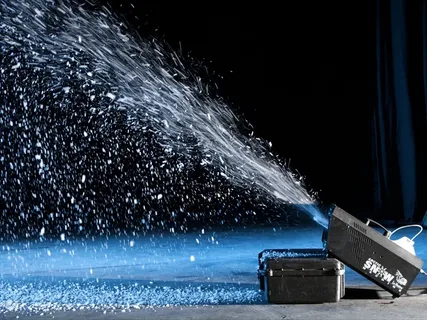
A little snowfall can completely change the feeling of a theatre scene. A quiet stage suddenly feels like a winter evening, a holiday moment becomes more magical, or an ordinary setting transforms into something dreamlike. But creating convincing stage snow is about more than simply turning on a machine and letting it run.
For directors, the real challenge is knowing when, where, and how much snow to use. When planned properly, a snow machine can become one of the most effective special effects for theatre, adding atmosphere without distracting the audience from the story.
If you are planning to use a rented snow machine for your production, here is how to make the effect work beautifully from rehearsal to final performance.
Start With the Story, Not the Snow
Before deciding where to place a machine, think about what the snowfall is supposed to accomplish.
Is it establishing a winter setting? Creating a romantic atmosphere? Making a fantasy scene feel magical? Marking an emotional turning point? Or simply adding realism to an outdoor scene?
Your answer should determine how you use the effect.
A gentle snowfall may work better during a quiet conversation, while a more noticeable snow effect could help emphasize a dramatic transition. The goal is not to fill the stage with as much snow as possible. It is to make the audience feel the scene more deeply.
Choose the Right Snow Machine for Theatre
Not every machine is equally suitable for every production. The size of your stage, ceiling height, desired snowfall effect, venue restrictions, and duration of the performance can all influence your choice.
When looking for a snow machine for theatre, consider the type of effect you actually need. A smaller production may only require a subtle snowfall over one section of the stage, while a large performance may need wider coverage.
If you are renting, talk with the rental provider about your venue and production requirements. They can help you determine whether the machine's output and operating requirements are appropriate for your space.
Plan the Machine’s Position Carefully
Placement can make a major difference in how realistic the snow looks.
A machine positioned too close to the audience may make the effect feel concentrated in one area. Placing it too far away may make the snowfall difficult to notice. You also need to consider stage scenery, lighting equipment, performers, and audience sightlines.
Before opening night, experiment with different positions during technical rehearsals. Watch the effect from the audience's perspective rather than judging it only from backstage.
The best position is usually the one that allows the snow to spread naturally while keeping the equipment itself visually unobtrusive.
Use Lighting to Make the Snow Visible
Snow effects and stage lighting can work exceptionally well together.
A snowfall that looks subtle under normal lighting may become much more visible when illuminated from the side or behind. This is especially useful when you want individual snow particles to catch the audience's attention without making the effect overwhelming.
Work with your lighting designer or technician during rehearsals. Adjusting the angle, intensity, and timing of the lights can make a snow machine theatre effect appear much more dramatic and realistic.
Time the Snow with the Performance
Timing is just as important as machine placement.
Imagine a character delivering an emotional line while snow suddenly begins falling at precisely the right moment. The audience may barely think about the equipment, but they will feel the atmosphere of the scene.
Coordinate the snow effect with:
- Dialogue
- Music
- Lighting changes
- Scene transitions
- Actor entrances and exits
- Major dramatic moments
If the snowfall starts several seconds too early or continues after the scene has moved on, it can lose its purpose. A director should treat the snow effect like any other stage cue.
Always Test Before the Performance
Never wait until opening night to discover how your snow machine behaves in the actual venue.
A proper rehearsal should allow the production team to test:
- Snow coverage
- Machine placement
- Output level
- Cue timing
- Lighting interaction
- Stage conditions
- Cleanup requirements
This is particularly important with a theatre snow machine rental, because every venue can respond differently to the effect. Air movement, ventilation, stage height, and surrounding equipment can all influence where the snow travels.
A test run gives your team time to make adjustments before an audience arrives.
Think About Performers and Stage Safety
A visually impressive effect should never interfere with the people performing on stage.
Make sure performers know when the snow effect will begin and where it will occur. Keep pathways, entrances, exits, and important stage areas clear. Your production team should also follow the equipment provider's operating and cleanup instructions.
It is equally important to understand the snow fluid being used and whether it is appropriate for your specific venue and production environment. If you have questions, ask the rental provider before the equipment is delivered.
Avoid These Common Director Mistakes
Even a good machine can produce a disappointing result if the effect is poorly planned.
Common mistakes include using too much snow, ignoring audience sightlines, failing to coordinate with lighting, placing the machine without testing airflow, and allowing the effect to continue longer than the scene requires.
Another mistake is treating snow as decoration rather than part of the storytelling. When the effect has a clear creative purpose, it feels intentional. When it appears without a reason, it can quickly become distracting.
Make the Snow Serve the Story
The most effective theatre effects are often the ones that support the story without demanding attention for themselves.
A well-planned snow machine for theatre can create atmosphere, signal a change in time or setting, heighten emotion, and give audiences a memorable visual experience. The secret is thoughtful direction: choose the right equipment, position it carefully, coordinate it with lighting and performance cues, and test everything before the show.
With the right planning and a suitable rental setup, stage snowfall can become more than a special effect. It can become part of the storytelling itself.